
It sure can be tough to get out of bed on a chilly morning, but while we may hit the snooze button and get an additional 15 minutes or so, some of nature’s true slugabeds have decided to sleep in for the entire winter season! These creatures have a number of ingenious strategies and reasons for their long sleep- we’ll take a closer look, as well as highlight some QWR Refuge species that utilize them in this article.
When it comes to nature’s winter sleepy heads, they usually catch their proverbial “z’s” through either hibernation, brumation, torpor or diapause.
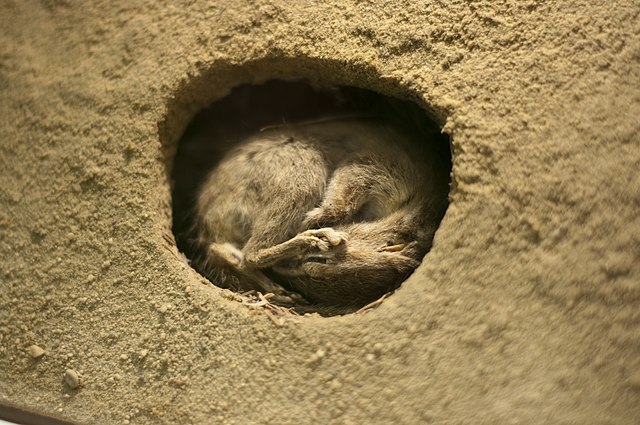
Hibernation is the one that most people have heard of, or think of when we imagine a bear, fat on fall’s bounty finding a cozy cave or den and falling into a deep sleep until spring. Ironically here’s our first misconception- bears don’t truly hibernate (they enter torpor- we’ll get into that shortly)! Hibernation is an extended period of deep, nearly unrousable sleep which can last months.
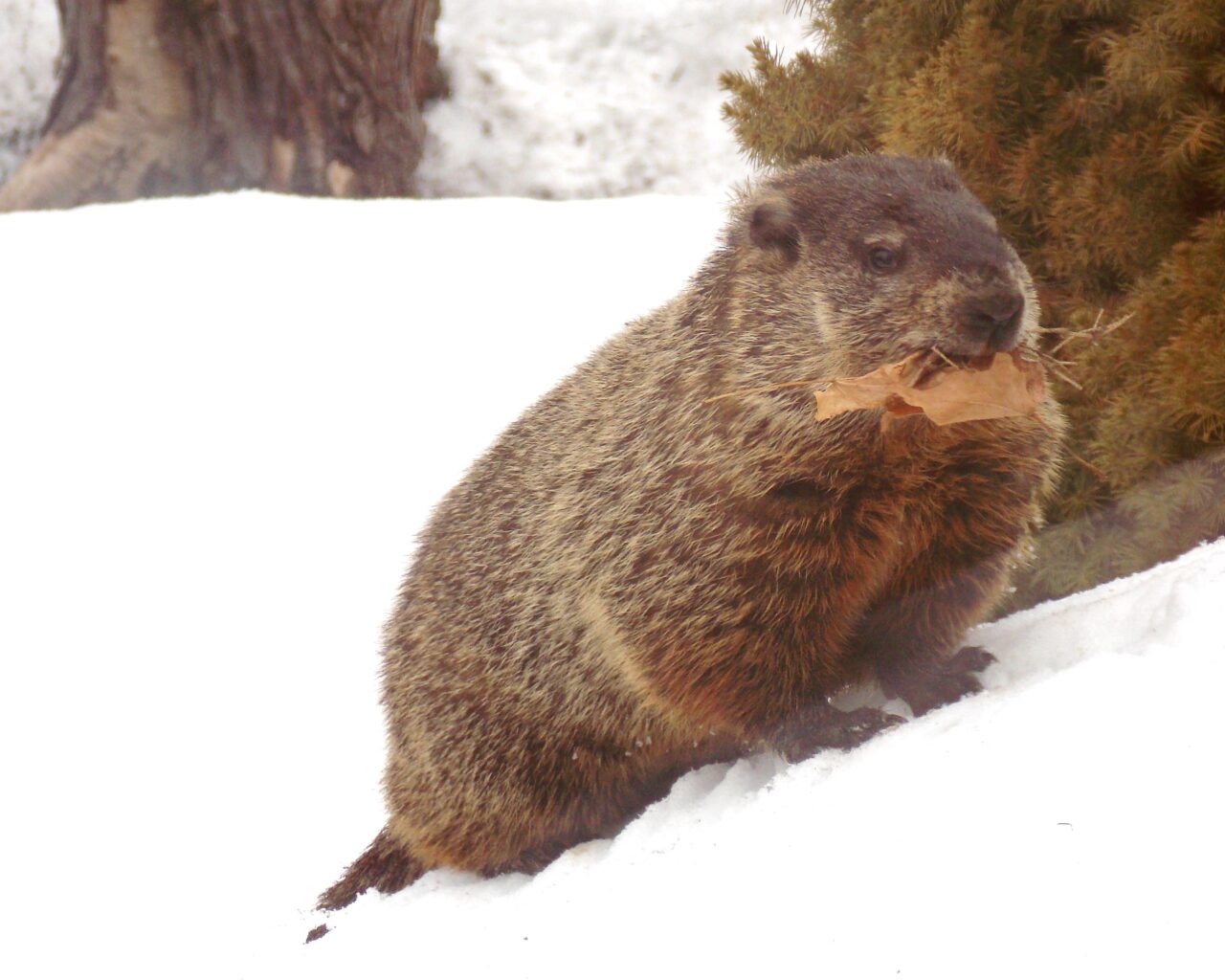
A hibernating creature’s metabolism and breathing will slow drastically and their body temperature will drop precipitously, in some cases to only a few degrees above freezing. Hibernating animals will occasionally wake for short periods, but don’t eat, drink or go to the bathroom. A perfect example of a hibernator found at the Refuge is the groundhog! These adorable rodents tend to retreat to their burrows around mid-fall, block the entrance to their dens and get cozy- a hibernating woodchuck’s heart rate can drop from an average of 90 beats to around 4 beats per minute!
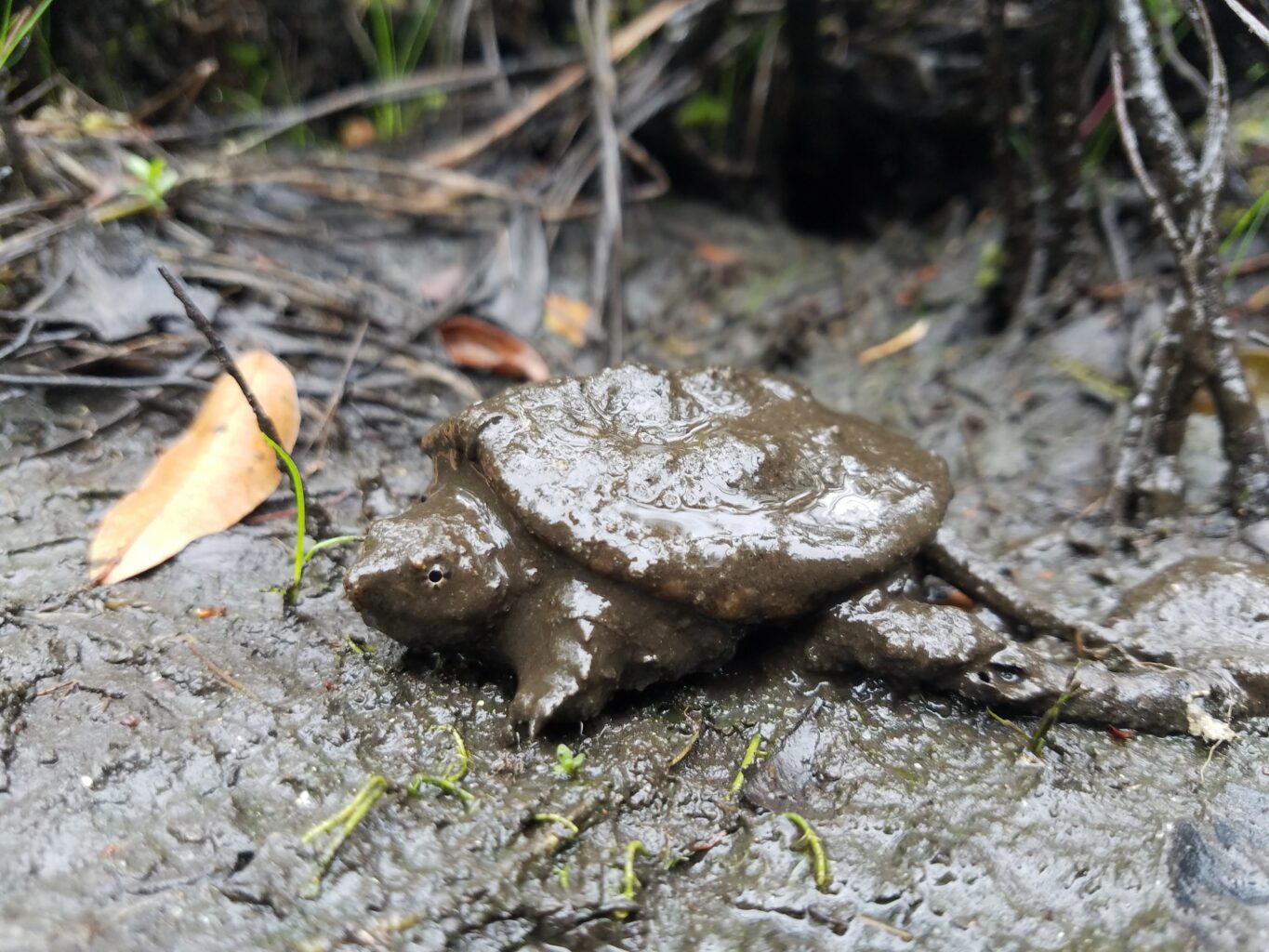
Brumation is similar to hibernation, but more commonly employed by cold blooded animals, including amphibians and reptiles. While similar to hibernation in many ways, including brumating creatures tend to periodically wake and move around more frequently, often to drink or eliminate. Brumating creatures will not eat food during this period to avoid food rotting in their digestive tracts. At the Refuge, some of our most iconic “brumators” are our common snapping turtles, who love to spend their winters buried in the mud at the bottom of Old Ice Pond. Interestingly, frogs will brumate at the bottom of ponds, but not in the mud, as it precludes their ability to breathe through their skin (turtles breathe out of their cloacas, or “butts”- a fun fact that our visiting elementary school classes never tire of).
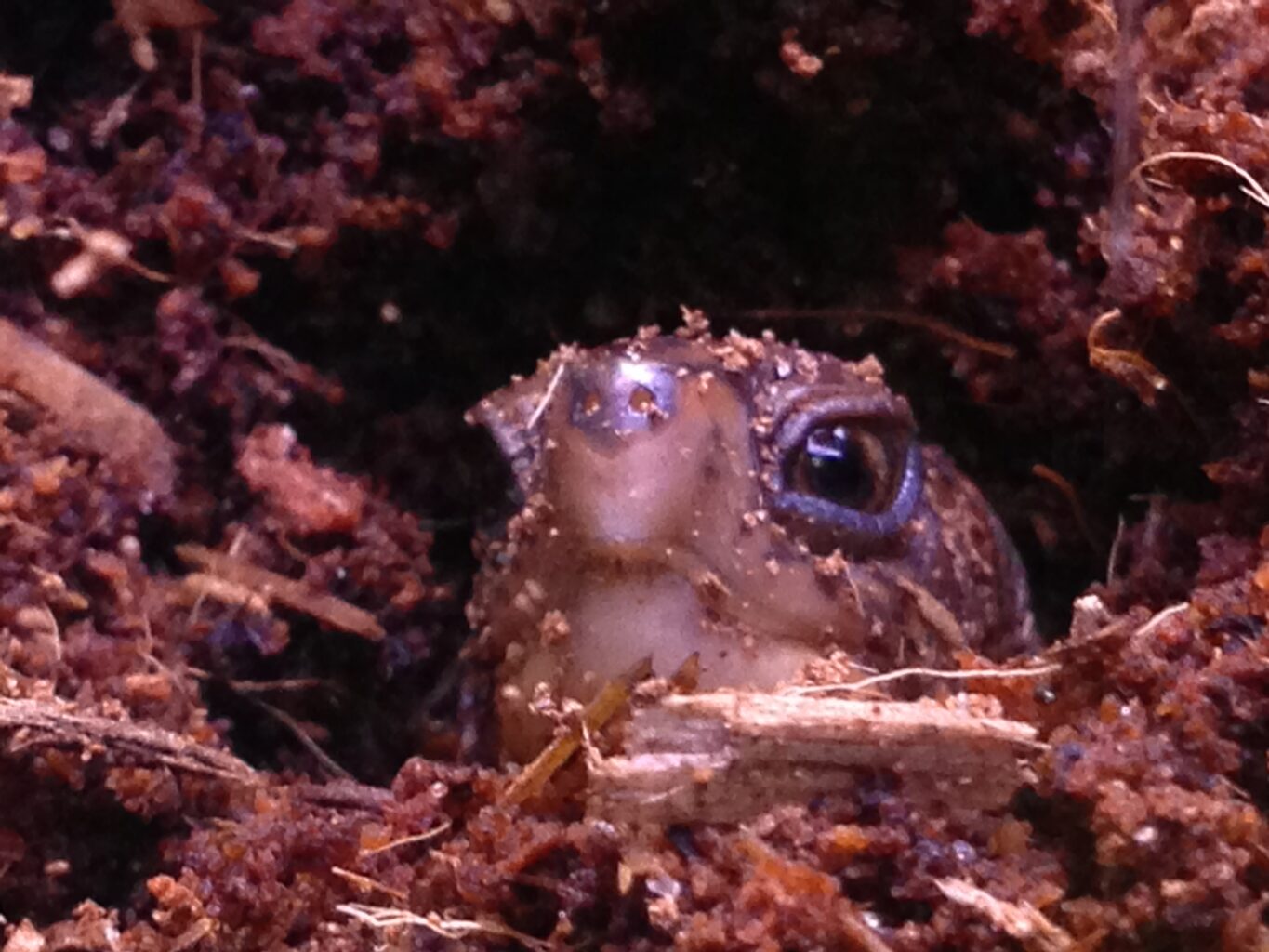
Torpor on the other hand is a much more short-term sleep solution- think of it as a sort of emergency fail safe for many creatures. A creature in torpor’s vitals dip in a similar fashion to hibernation, but the reductions are not nearly as drastic, the sleep is not as deep or last as long (think hours or days instead of months), and the creature can be roused or will periodically wake up and be more active. This is absolutely integral in the case of bears, who often give birth during their winter sleep, or wake up when temperatures rise in search of food. For many other creatures, torpor can be a crisis response, triggered by events including food shortages and sudden weather changes. Chipmunks are a great example of an animal at the Refuge that will use torpor to help weather the colder months.
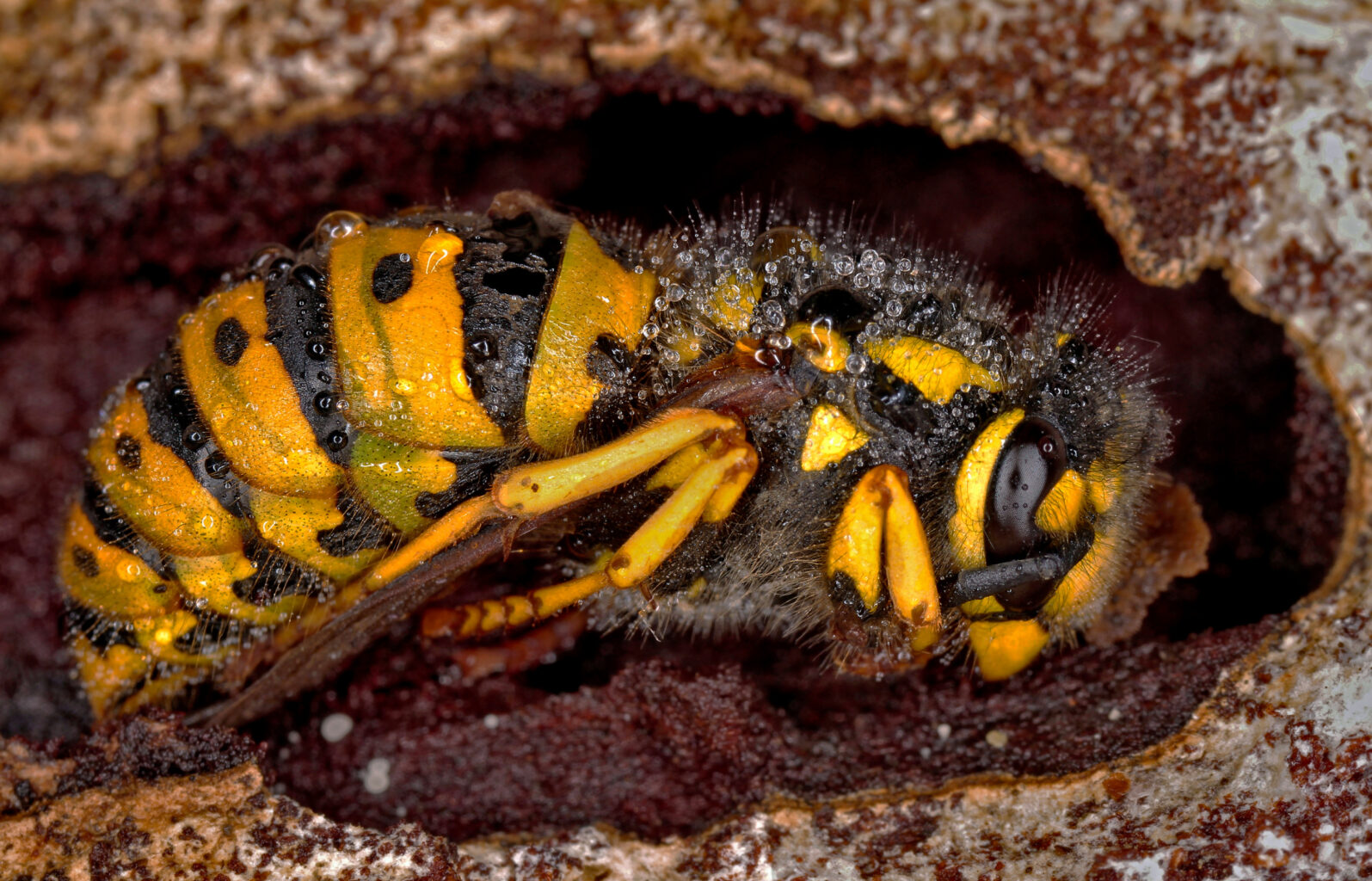
Lastly, we have diapause! Diapause is a great name for this process, as it literally presses the “pause” button on a creature’s growth, development or bodily processes. This strategy is mainly employed by invertebrates, including many bee, spider and dragonfly species found at the Refuge, especially overwintering eggs or larvae, brought on by changes in environmental conditions, like reduction in the amount of daylight, temperature or food availability. Some vertebrate embryos and fetuses enter diapause as well, mainly to halt development until better environmental conditions arrive.
So, the next time you’re about to roll over for an additional 40 winks, try not to be too jealous of all of the critters who’ve decided that winter is too much of a hassle to wake up at all!
By Jake Kommer