
Light as air yet built for flight, feathers are nature’s high-tech masterpiece—delicate, durable, and full of secrets waiting to be unraveled. While scientists seem to know the origin of the biology required for feathers, the behaviors that would lead to flight aren’t as clear, but there are a number of theories: Was it ‘tree down’ through gliding, falling or attacking prey from above? Or maybe ‘ground up’ by running or leaping? We may never know for sure.
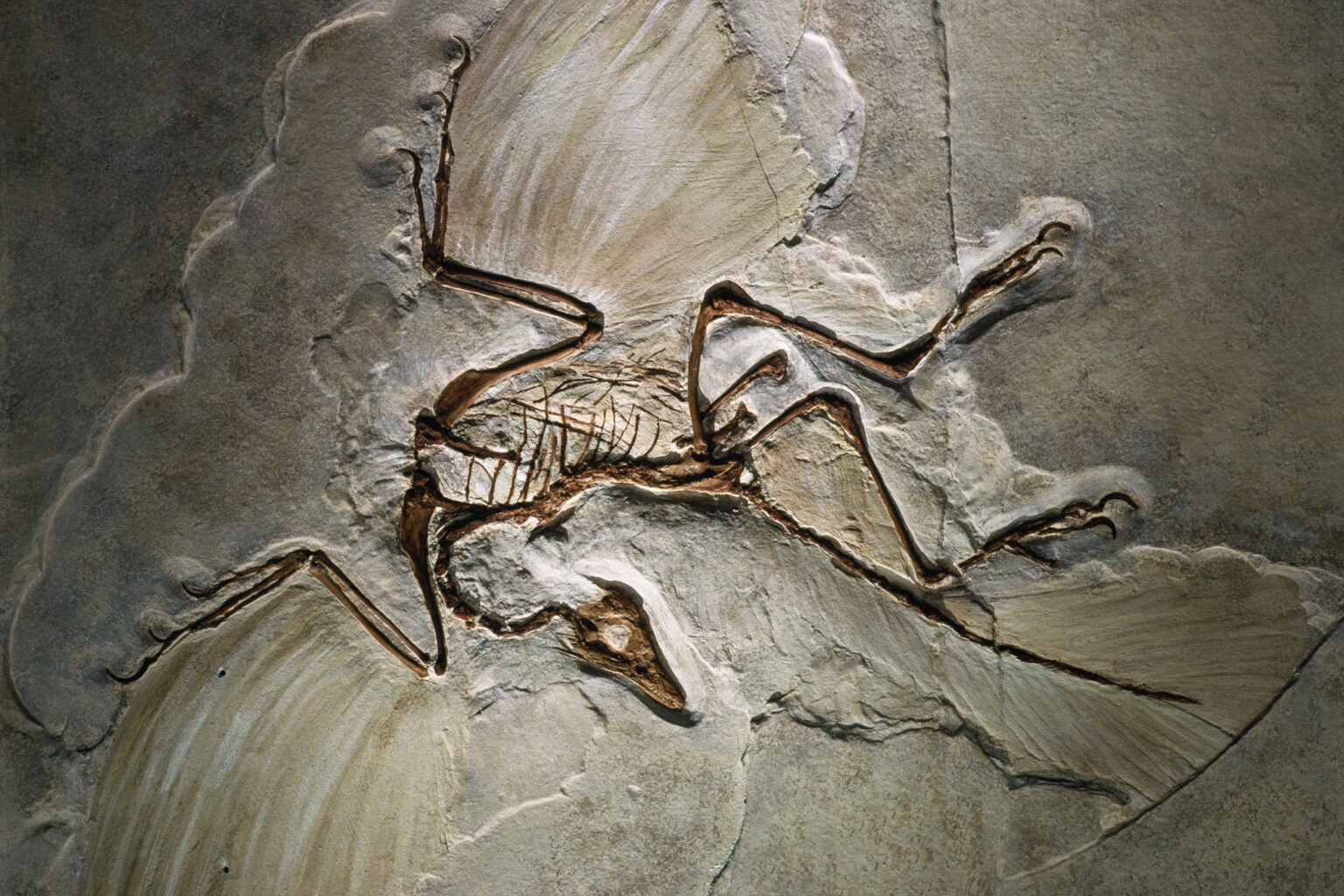
While many dinosaurs are known to have had feathers, found in the form of fossils and feathers trapped in amber, the ‘first bird’ would come in the form of the dinosaur archeopteryx, around 150 million years ago. Analysis of fossilized feathers have yielded pigment carrying organelles that suggest that dinosaur feathers even had similar color variations to modern day birds, increasing the likelihood that feathers were not just used for insulation and flight, but display and camouflage as well.
Fast forward to the future, we live in a world populated with over 11,000 species of birds, all of which have feathers! There are 6 varieties of feathers recognized, all of which have specific jobs:
Flight feathers are found mainly on wings and tails. They’re large and strong, providing the lift and maneuverability necessary for flight.
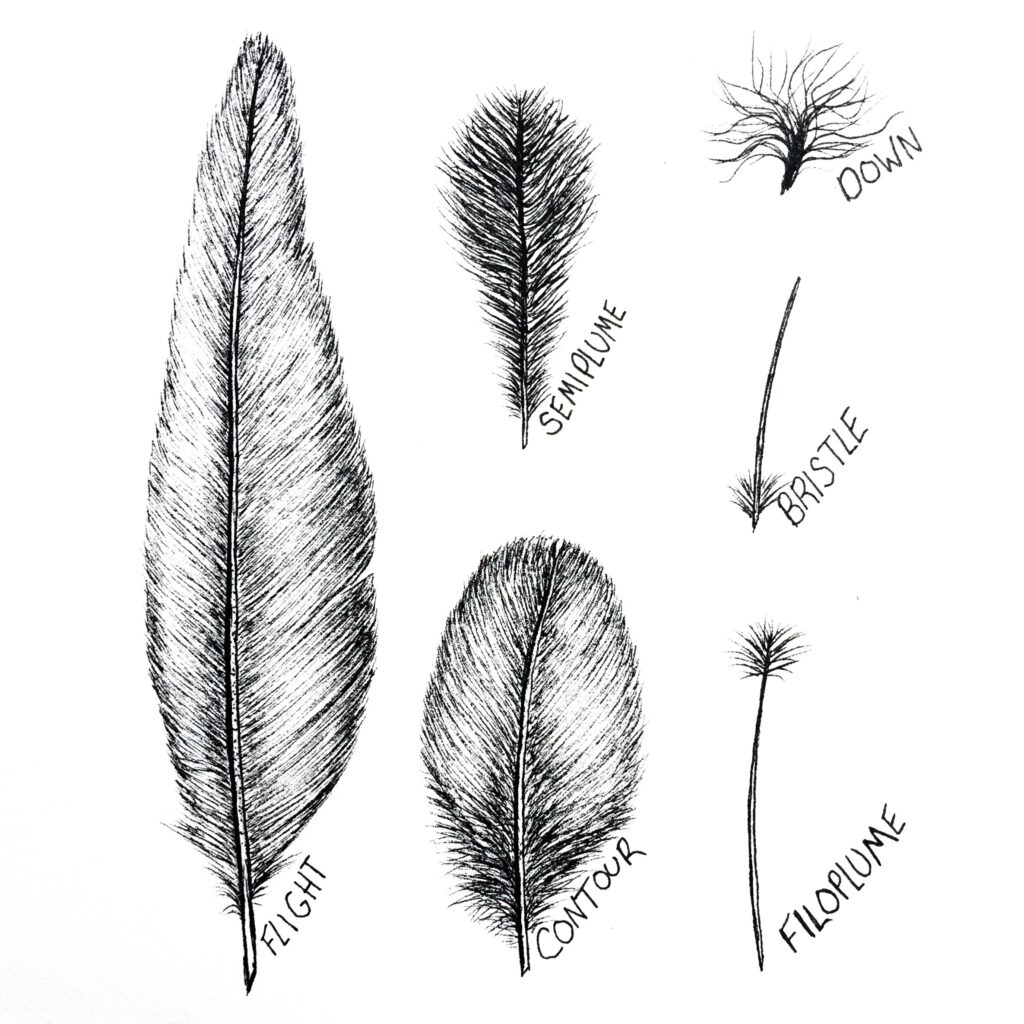
Contour feathers streamline a bird’s body, contributing aerodynamic shape and weather resistance. Down are fluffy and soft, acting as an undercoat of insulation. Semiplumes are a combination of down and contour feathers. Filoplumes are similar to hairs, used for sensory reception. Bristles surround the mouth, nostrils and eyes, providing protection and additional sensory reception.
Humans have coveted the beauty of feathers since time immemorial. The feather trade reached a high in the late 1800’s and early 1900’s largely to support Victorian fashion’s obsession with feathers and birds, often covering garments and hats with feathers, in some cases, even whole taxidermied birds. At the height of the craze, millions of birds were being killed in the United States and abroad each year. One particularly targeted species was the Great Egret, highly valued for their white feathers.

Luckily, in the late 1800’s, hundreds of environmentally minded individuals began to band together and stand up to the senseless killing of birds. Thanks to the tireless efforts of newly formed bird protection groups like the Audubon Society, the Migratory Bird Treaty Act was passed in 1918, bestowing federal protection upon almost 1,100 species. These species are protected from collection, alive or dead and include not only all parts of the birds in question, but their eggs and feathers as well. This triumph embodies not only the change that lovers of the environment can make in the world, but signals us to the need of continued vigilance in the protection of our natural wildlife.
The miracle of feathers has a 250-million-year legacy on our planet. With our help, appreciation, and love, birds and their feathers will continue to be a part of our world for millions more.
by Jake Kommer